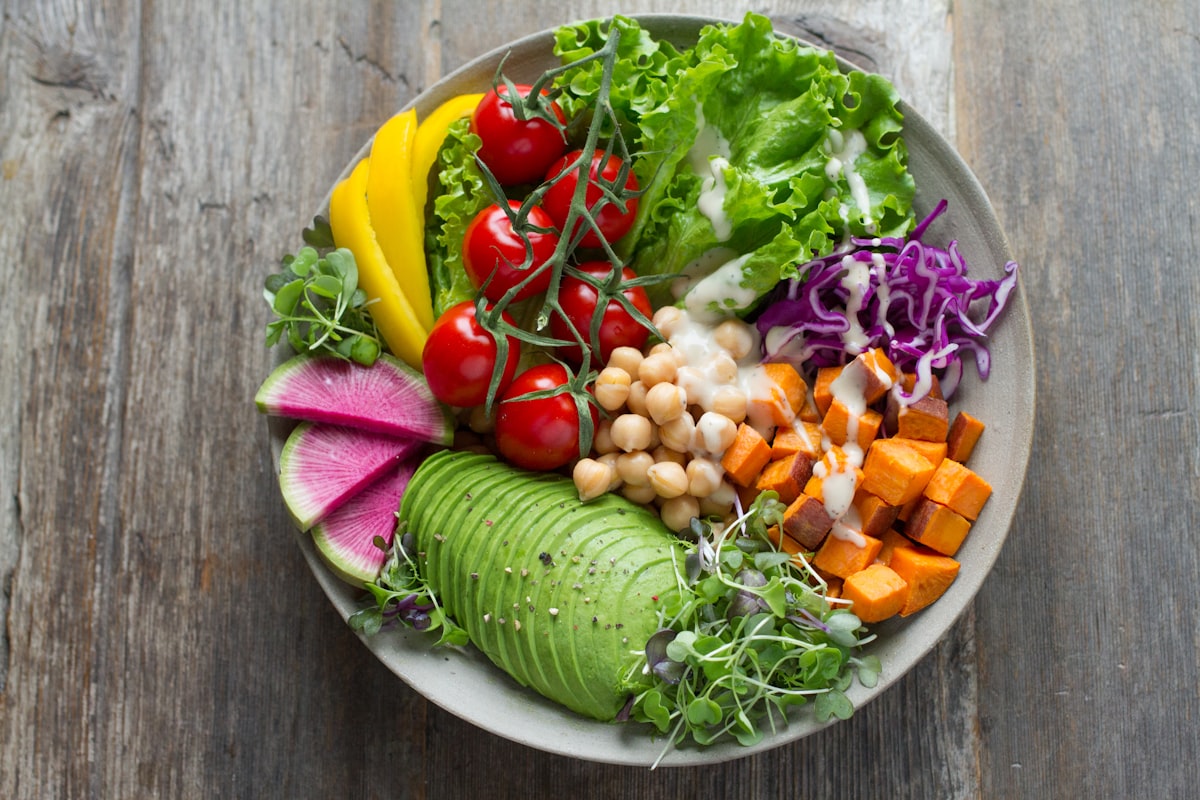
Your diet is one of the most powerful — and most overlooked — factors in your dental health. Toothbrushing and flossing address the consequences of what you eat, but choosing the right foods works from the inside out, actively building stronger enamel, healthier gums, and a more protective oral environment. Here is your complete guide to eating for dental health.
Dairy products are the most powerful dental superfoods. They are rich in calcium and phosphate, which remineralise and strengthen tooth enamel. Cheese in particular raises pH levels in the mouth — making it less acidic and less hospitable to the bacteria that cause cavities. Eating cheese after a meal neutralises acids from other foods. Yogurt also contains probiotics that suppress harmful bacteria.
Crunchy, fibre-rich vegetables and fruits are nature's toothbrush. Chewing them stimulates saliva production (your body's natural defence against acid and bacteria), and their rough surface mechanically scrubs tooth surfaces. They are also high in water content, which dilutes sugars. An apple after a meal is a practical, effective choice when brushing isn't possible.
Leafy greens are packed with calcium for enamel strength, folic acid which supports healthy gum tissue, and vitamins C and K. Vitamin C is essential for collagen production — a key component of gum tissue. Deficiency in vitamin C is directly linked to gum disease. Incorporating leafy greens into daily meals (dal with spinach, for instance) provides consistent dental-protective nutrition.
Nuts are a tooth-friendly snack: high in calcium and phosphorus, with virtually no sugar. The phosphate in nuts actively participates in remineralising enamel. They require significant chewing, which stimulates saliva. Almonds are particularly effective — a small handful provides meaningful calcium without any damaging sugars.
Water is the single most protective beverage for your teeth. It has no acid, no sugar, and no calories. Sipping water throughout the day keeps your mouth moist (dry mouth dramatically increases cavity risk), rinses food particles and bacteria from between teeth, and dilutes acids. Fluoridated water provides an additional layer of enamel protection.
Both green and black tea contain polyphenols — plant compounds that actively suppress the bacteria responsible for cavities and gum disease. Unsweetened tea (without added sugar or honey) is one of the few beverages that is genuinely protective for oral health. Green tea also has anti-inflammatory properties that benefit gum tissue.
Fatty fish are rich in vitamin D — a vitamin that is crucial for calcium absorption. You can consume all the dairy and calcium-rich foods you like, but without adequate vitamin D, your body cannot use that calcium effectively for bone and tooth strength. Fatty fish also provide phosphorus and anti-inflammatory omega-3 fatty acids that benefit gum health.
Sugar is the primary fuel for cavity-causing bacteria. Sticky candies are the most damaging — they cling to tooth surfaces and fissures, providing bacteria with sustained sugar exposure for hours. Hard candies are prolonged exposure events. The frequency of sugar consumption matters as much as the amount — every sugary snack triggers an acid attack lasting 20-30 minutes.
Regular fizzy drinks combine acid and sugar — a double attack on enamel. But even sugar-free carbonated drinks are acidic due to carbonic and phosphoric acid. Regular consumption erodes enamel progressively. The pH of cola drinks is around 2.5 — close to battery acid. Sipping them throughout the day is particularly damaging as it creates a constant acid environment.
Citrus fruits (oranges, lemons, limes, amla) are healthy and nutritious when consumed as food — the damage comes from holding or swishing acidic juices in your mouth, or sipping citrus drinks slowly over time. Eat citrus fruit as part of a meal, then rinse with water. Wait 30 minutes before brushing — brushing immediately after acidic food scrubs softened enamel away.
Processed starchy snacks may not taste sweet, but saliva converts refined starches into simple sugars almost immediately. Worse, these foods get packed into the fissures and grooves of back teeth where they persist for extended periods — fuelling bacteria in exactly the locations where cavities most commonly form.
Dried fruits (raisins, dates, figs, apricots) are nutritious but dentally challenging. Dehydrating fruit concentrates its sugars many times over. Their sticky texture means they adhere to tooth surfaces and grooves for extended periods — providing prolonged sugar fuel for bacteria. Eat fresh fruit instead, or rinse thoroughly and brush after dried fruit.
A great diet significantly reduces your cavity and gum disease risk — but professional cleaning twice a year removes the tartar and biofilm that even the best diet cannot prevent. Book your check-up at Emitsmile Hosur.
Your teeth are built from the foods you eat — and protected or damaged by them every single day. Prioritising dairy, crunchy vegetables, leafy greens, nuts, and water while minimising sticky sweets, fizzy drinks, and frequent snacking will measurably reduce your lifetime dental treatment costs and protect your smile for decades. Combined with correct brushing, daily flossing, and regular professional cleaning, a tooth-friendly diet is the foundation of lifelong dental health.
Professional cleaning removes what diet alone cannot. Book your scale and polish or GBT session at Emitsmile Hosur.
Book Appointment +91 86678 77399
How to Prevent Gum Disease: 7 Daily Habits
5 min read

How to Whiten Teeth at Home Safely
6 min read

Dental Checkup for Kids: When to Start
5 min read
Advanced GBT (Guided Biofilm Therapy) and professional scaling available — keeping your teeth and gums at their healthiest.
Learn About Cleaning →